


Treating Chronic Pain With Manual Therapy: A Guide
Last Updated: 15 November 2026
Quick Summary
Manual therapy is a hands-on approach where a trained practitioner uses skilled techniques on joints, muscles and soft tissue to reduce pain and improve movement. Evidence shows modest short-term benefits for chronic low back pain, though effects tend to diminish over weeks to months. It works best alongside exercise, activity and education rather than as a standalone cure.
A 2026 review covered 21 reviews and 35,711 participants examining manual therapy for chronic pain.
Chronic low back pain showed a short-term pain difference of −10.52 compared with other interventions.
Short-term benefits often appear early, while disability and function improvements build more gradually.
Gains often fade after treatment stops if manual therapy is used alone.
Choose a practitioner registered with a recognised professional body who offers a plan with review points.
Wondering if manual therapy could help your pain?
Nurture Osteo offers osteopathy, physiotherapy and massage therapy tailored to chronic pain.
Table of Contents
What Manual Therapy Is and How It Helps Chronic Pain
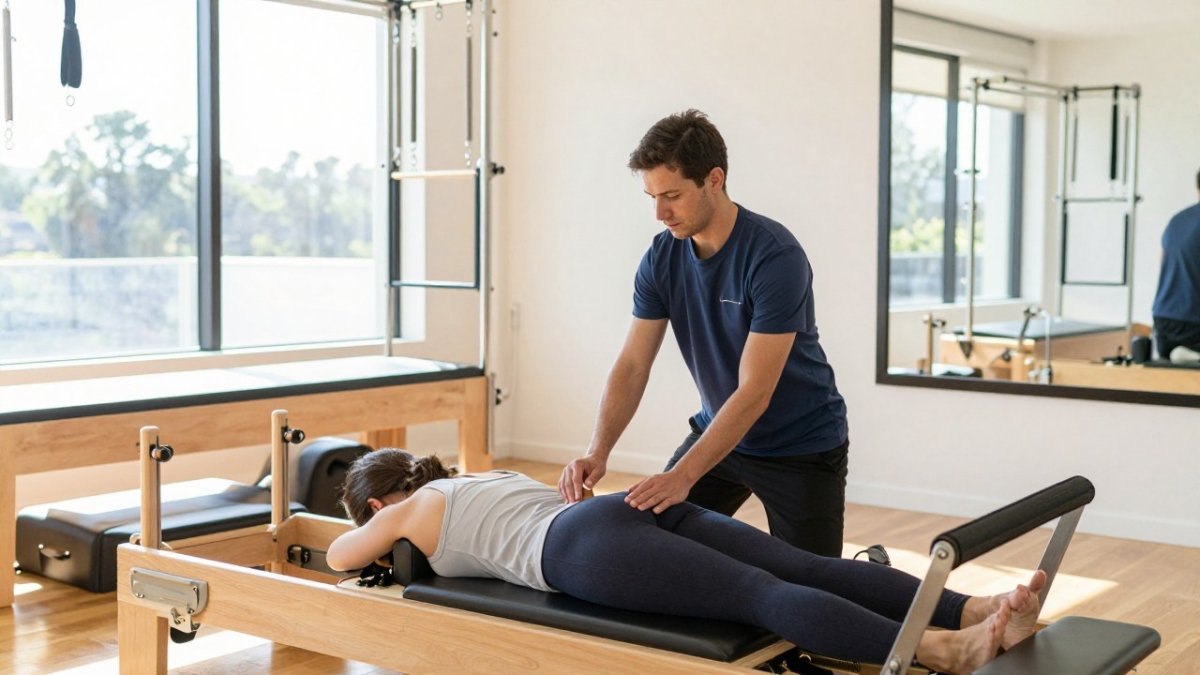
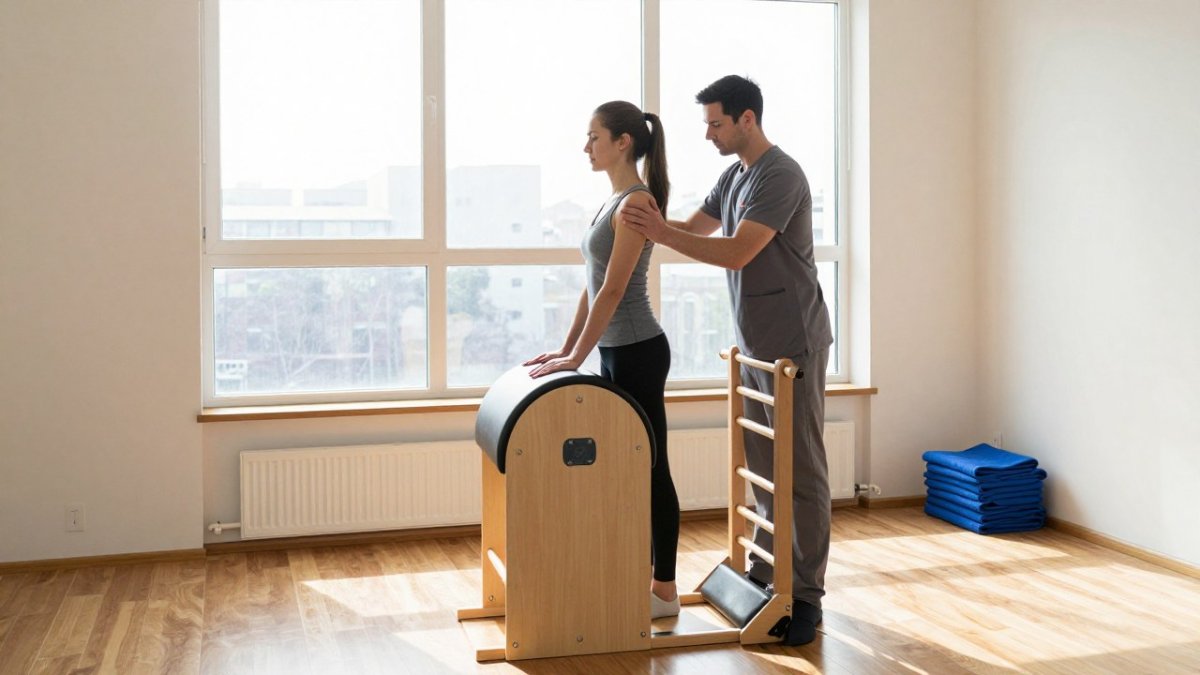
Manual therapy is a hands-on approach in which a trained practitioner uses skilled techniques on joints, muscles and soft tissue to reduce pain and improve movement. At Nurture Osteo, we use it as part of a wider plan for people living with persistent pain. A 2026 systematic review covering 21 reviews and 35,711 participants examined manual therapy for chronic pain, including spinal manipulation, soft-tissue techniques, myofascial techniques and massage systematic review of manual therapy for chronic pain. The aim is not to "fix" a joint by force, but to calm irritated tissue, restore mobility and help you move more comfortably.
From Biomechanics to Pain Processing
Chronic pain is rarely just a mechanical problem. A 2021 clinical text from the Academy of Orthopaedic Physical Therapy argues that chronic-pain management should focus on nociceptive pain-processing mechanisms rather than biomechanical models alone manual therapy for chronic conditions. That shift matters: it means hands-on treatment works partly by changing how the nervous system processes pain, not only by repositioning joint structures. Pain intensity, pain unpleasantness and the broader pain experience all respond to this kind of input, which is why a course of treatment is planned around your function and comfort rather than a single click or crack.
If you want to see what hands-on care involves in practice, you can explore our complete range of gentle treatments.
Is Manual Therapy Effective for Chronic Pain?
The evidence on manual therapy for chronic pain varies across conditions. The most honest summary is that hands-on treatment helps some people, in some presentations, for a period of time, and that it works best as one component of a broader plan rather than as a standalone cure.
What the Evidence Shows for Pain and Disability
For chronic non-specific low back pain, a 2026 review reported a short-term pain difference of −10.52 (95% CI −13.71 to −7.33) and a disability effect size of −0.60 compared with other interventions short-term outcomes for chronic low back pain. Those are modest but real improvements. Moderate-quality evidence from two studies indicated that manual therapy reduced pain intensity at three months after treatment evidence review for manual therapy. Disability and physical function are measured separately from pain, and improvements in mobility often matter more to daily life than a number on a scale.
The pattern across the literature is fairly consistent: effects on pain and disability are largest in the short term, tend to diminish over weeks to months, and are more convincing for low back pain than for many other persistent pain presentations. For neck pain, osteoarthritis and soft-tissue complaints the evidence is thinner and more mixed, and for widespread or centrally driven pain the case for hands-on work as a primary treatment is weaker still. A 2026 scoping review examined how trials measure manual therapy outcomes for non-specific low back pain, reflecting that "working" means different things to different people outcomes used in manual therapy trials.
Short-Term Relief Versus Durable Benefit
A common pattern is that pain eases within the first few sessions, function improves over several weeks, and gains are best maintained when hands-on care is paired with exercise, activity and education. Where manual therapy is used alone, improvements often fade after treatment stops. That is why a credible plan sets review points, teaches you what to do between sessions, and is willing to stop or change course if you are not responding. The honest position: manual therapy can help, evidence varies by condition, and response differs between people. If you want a deeper comparison of one hands-on approach, read how massage therapy helps chronic back pain and where it sits alongside other treatments.
Manual Therapy Techniques for Chronic Pain
Techniques fall into two broad families: joint-based work and soft-tissue work. Most treatment sessions combine both, chosen after an assessment of your movement, symptoms and goals.
Joint Mobilisation and Spinal Manipulation
Joint mobilisation uses slow, controlled movements to improve how a joint glides and moves. Spinal manipulation is a quicker, targeted movement that may produce a release sensation. Both are skilled techniques delivered within your comfort range, and both aim to restore mobility rather than force a joint past its limit.
Soft-Tissue Work and Myofascial Release
Soft-tissue massage and myofascial release target muscle tissue and the connective tissue around it. This can ease targeted muscle treatment areas, reduce guarding and support movement. For persistent musculoskeletal pain, this hands-on work is often paired with advice on activity and self-management.
How Long Does Manual Therapy Take to Work?
Short-term benefits often appear early, while changes in disability and function build more gradually. A 2026 scoping review examined how trials measure manual therapy outcomes for non-specific low back pain, reflecting that "working" means different things to different people outcomes used in manual therapy trials. We review progress with you regularly rather than promising a fixed number of sessions.
Here is how the timing of benefits typically breaks down, based on what the article describes. (Source: systematic review of manual therapy for chronic pain)
Stage | What tends to happen |
First few sessions | Pain often eases early |
Several weeks | Function and disability improvements build gradually |
After treatment stops | Gains often fade if manual therapy is used alone |
Review points | Progress checked regularly; no fixed number of sessions promised |
Manual Therapy and Exercise for Chronic Pain
Hands-on treatment works best alongside active self-management. Exercise and rehabilitation help you keep the mobility gained in a session, and they build the strength that protects against recurrence. A practical plan usually combines:
Manual therapy to reduce pain and restore movement
Daily mobility or strengthening exercises tailored to you
Gradual return to the activities you have been avoiding
If you are rebuilding after injury or surgery, our specialist rehab and recovery plans show how guided physiotherapy fits with hands-on care. You can also read about long-lasting recovery through exercise and rehabilitation.
Who Manual Therapy May Suit, and Who It May Not
Manual therapy may suit adults with chronic low back pain, neck pain, joint stiffness and musculoskeletal pain where a clinician has ruled out red flags. It may be less suitable, or need adapting, for people with certain bone conditions, recent fractures, uncontrolled inflammation or conditions affecting joint stability. This is a general guide, not a diagnosis: suitability is decided in an assessment. Tell your practitioner about any medical conditions, medications or recent injuries, and seek prompt medical advice for severe or unexplained symptoms. Because suitability depends on individual conditions and a careful assessment, discussing chiropractic techniques for chronic pain with a qualified practitioner can help clarify which approaches may be appropriate.
What to Expect in a Treatment Session
A first session begins with a conversation about your pain history, daily movement and goals, followed by a physical assessment of how you move. Treatment then combines hands-on techniques with advice, and you leave with simple exercises. You should feel able to ask questions at any point.
The Treatment Journey, Start to Review
Most courses follow a recognisable shape. The assessment establishes what is driving your pain, what you can and cannot do, and what matters most to you, returning to gardening, sleeping through the night, lifting a child. Early sessions usually focus on settling symptoms and restoring comfortable movement, often weekly at first. As things improve, sessions typically space out to fortnightly and then to occasional review, with the aim of handing control back to you rather than creating dependence on the couch. Review points are built in: if pain and function have not shifted after a reasonable trial, the plan should change rather than continue unchanged.
Adverse Effects and Realistic Expectations
Some people feel mild soreness after hands-on treatment, similar to the ache after unaccustomed exercise. This usually settles on its own. Response varies widely between people, and no practitioner can promise a fixed number of sessions or a guaranteed outcome. Watch out: seek prompt medical advice if you develop severe or worsening pain, new numbness, weakness or loss of bladder or bowel control, or symptoms that feel systemically unwell, these are not normal post-treatment reactions and warrant assessment.
Shared Decision-Making
Good care is a partnership. Useful questions to ask include: what is my working diagnosis, what are the alternatives, what happens if we do nothing, how will we know if this is working, and what should I do between sessions? Your preferences, goals and response to treatment should shape the plan as much as the clinical findings.

Choosing a Qualified Practitioner and Booking Your Assessment
Choose a practitioner who is registered with a recognised professional body, explains findings clearly and offers a plan with review points rather than open-ended sessions. Ask about their training, how they measure progress and what you should do between appointments. Our team holds qualifications including MA (Oxon), MOst and a Pg Cert SPOP, and combines structural, craniosacral and myofascial techniques within a holistic approach. When you are ready, follow our guide on how to book an osteopathy appointment.
Persistent pain rarely resolves through one appointment, and finding the right combination of hands-on care, movement and reassurance takes a plan built around you. Nurture Osteo brings osteopathy, physiotherapy and massage therapy together, with tailored treatment and rehabilitation advice aimed at restoring mobility and helping you relax again. Get started with Nurture Osteo and book an assessment to discuss what may help your pain.
Frequently Asked Questions
Can manual therapy help with chronic pain?
The evidence varies by condition. It is not a guaranteed fix, but it can form part of a broader pain management plan.
What types of manual therapy are used for chronic pain?
Common approaches include spinal mobilisation and manipulation, soft-tissue techniques, myofascial release and massage. A qualified practitioner will choose techniques based on your assessment, symptoms and preferences. These hands-on techniques are often combined with movement and exercise advice rather than used alone, and the mix should be reviewed as your pain and function change over time.
Is manual therapy safe for chronic pain?
For most people it is generally well tolerated, but it is not risk-free. Some people experience short-term soreness after treatment, similar to post-exercise stiffness. Suitability depends on your medical history, so tell your practitioner about any conditions, medications or previous injuries. If you have osteoporosis, recent fractures, inflammatory conditions or are pregnant, a careful assessment is essential before any hands-on treatment begins.
Can manual therapy make chronic pain worse?
It can cause temporary soreness in some people, and occasionally symptoms flare briefly after treatment. This usually settles within a day or two. A skilled practitioner adjusts pressure and technique to your response and will ask for feedback throughout. If pain increases significantly or does not settle, tell your practitioner so your plan can be reviewed. Persistent worsening should always be assessed rather than ignored.
How many manual therapy sessions might I need?
There is no fixed number. It depends on your condition, how long you have had it, and how you respond. Some people notice change within a few sessions, while others need a longer course alongside exercise and self-management. Your practitioner should agree review points with you rather than booking open-ended blocks.
Should manual therapy be combined with exercise for chronic pain?
Yes, combining the two is generally recommended. Hands-on treatment can ease pain and improve mobility enough to help you move more comfortably, while exercise builds strength, confidence and longer-term resilience. Ask your practitioner for a tailored exercise plan you can continue between appointments.
Comments