


Is Massage Therapy Good for Chronic Back Pain?
Table of Contents
How Massage Therapy Helps Chronic Back Pain
NHS Guidelines for Chronic Back Pain and Massage
Osteopathy vs Massage for Back Pain: What's the Difference?
How Long Does Massage Relief Last for Back Pain?
Types of Massage for Chronic Back Pain
Potential Drawbacks and When Massage May Not Be Suitable
Combining Massage with Other Treatments for Better Outcomes
Frequently Asked Questions
Last Updated: October 2, 2026
How Massage Therapy Helps Chronic Back Pain
Whether massage therapy is good for chronic back pain is a question many people ask, and the answer is yes, massage therapy can provide meaningful relief by reducing muscle tension, improving circulation, and helping your body relax. This approach works by targeting the muscles, fascia, and soft tissues that contribute to ongoing discomfort. Many people find that regular massage sessions help them move more freely and experience fewer painful days.
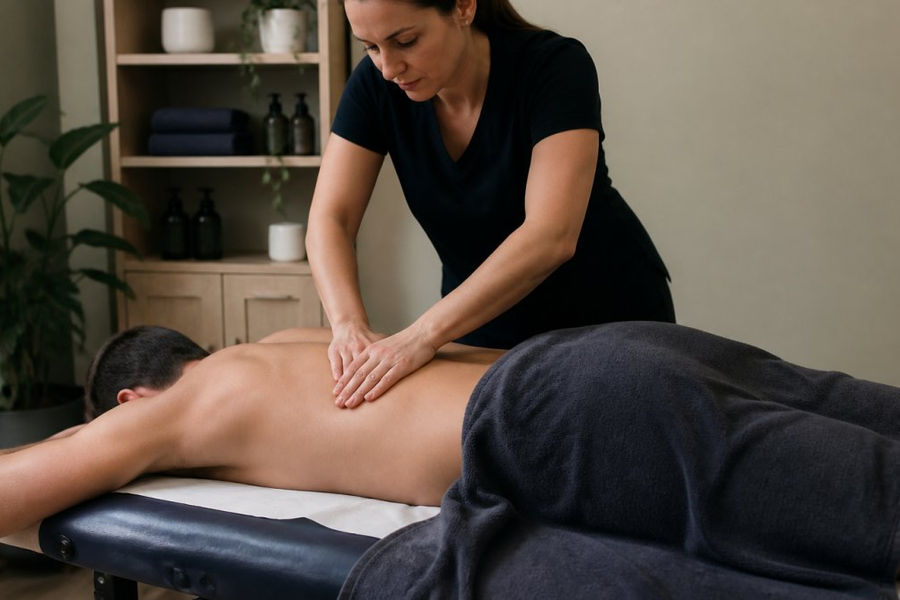
When muscles stay tight for months or years, they restrict movement and trap nerves. Massage breaks this cycle by loosening those tight areas. It also increases blood flow to affected regions, which helps reduce inflammation and supports healing. The relaxation response triggered during massage can lower stress hormones that often worsen chronic pain.
Is massage therapy good for chronic back pain? Yes, for many people. It works best when combined with other treatments like exercise, posture correction, and activity modification. At Nurture Osteo, we use massage alongside osteopathy and physiotherapy to address both the symptoms and underlying causes of chronic back pain.
The key is consistency. A single session provides temporary relief. Regular treatment over weeks or months produces longer-lasting results by retraining your muscles and improving your overall movement patterns.
NHS Guidelines for Chronic Back Pain and Massage
The NHS recognises that chronic back pain requires a multifaceted approach. Their guidance emphasises staying active, managing stress, and using manual therapies like massage when appropriate. Massage is not typically the first-line NHS treatment, but it's recommended as part of a broader pain management strategy.
NHS guidelines suggest that chronic back pain lasting more than 12 weeks should be managed with a combination of approaches:
Staying active and avoiding bed rest
Structured exercise programmes
Manual therapy (including massage and osteopathy)
Psychological support when pain affects mood or function
Pain medication only as needed, not as the primary solution
Many people access massage privately because NHS waiting lists for manual therapy can be lengthy. Private practitioners can often provide faster access to massage and combine it with other therapies in a single session.
The NHS position is clear: chronic back pain improves best when you take an active role. Massage supports this by reducing pain enough to make movement easier, not by replacing exercise and activity.
Osteopathy vs Massage for Back Pain: What's the Difference?
Both osteopathy and massage address muscle and soft tissue problems, but they approach chronic back pain differently. Understanding the distinction helps you choose the right treatment, or combination of treatments. Integrating these manual therapies into a broader strategy often involves exploring various natural pain treatments that support long-term musculoskeletal health.
Massage therapy focuses on releasing tight muscles, improving circulation, and promoting relaxation. A massage therapist works directly on the muscles causing pain. Sessions are often deeply relaxing and provide immediate relief for muscle tension.
Osteopathy takes a broader view. Osteopaths assess how your entire body moves and functions. They look at your posture, joint mobility, breathing patterns, and even digestion. Treatment includes hands-on techniques similar to massage, but also joint mobilisation, stretching, and movement retraining. Osteopaths often identify why your muscles became tight in the first place, perhaps poor posture, a past injury, or movement habits.
For chronic back pain, osteopathy often provides more lasting results because it addresses root causes. Massage provides relief, but without addressing why the muscles tightened, the problem often returns. Many people benefit most from both: massage for immediate tension relief, osteopathy for long-term correction.
At Nurture Osteo, we combine both approaches. Our team uses osteopathic assessment to understand your pain's cause, then applies massage, mobilisation, and exercise advice tailored to your specific needs.
Key Takeaway Massage releases tension; osteopathy identifies why the tension developed. The best outcome often comes from combining both.
How Long Does Massage Relief Last for Back Pain?
Relief from a single massage session typically lasts between a few days and two weeks, depending on how severe your pain is and what caused it. After one session, you might feel looser and move more freely for 3-7 days. Then tension gradually returns if you don't address the underlying issue.
Regular massage, weekly or fortnightly sessions, produces cumulative effects. After 4-6 weeks of consistent treatment, many people notice their baseline pain level drops. Their muscles stay more relaxed between sessions. Movement becomes easier. This is when real progress begins.
However, the relief won't be permanent if you return to the habits that caused the problem. Poor posture at work, inactivity, stress, or repetitive strain will undo the benefits of massage. This is why exercise and movement changes matter so much.
The realistic timeline looks like this:
Week 1-2 after first session: noticeable but temporary relief
Weeks 4-6 of regular sessions: baseline pain begins to improve
Weeks 8-12 with consistent treatment plus exercise: significant, lasting improvement
Months 4+ with ongoing self-care: pain remains controlled without frequent sessions
Many people find they need maintenance sessions every 4-8 weeks once their pain improves. This prevents tension from building up again. Think of it like brushing your teeth, regular maintenance is cheaper and easier than waiting for a crisis.
Types of Massage for Chronic Back Pain
Different massage techniques suit different types of chronic back pain. Your therapist should match the technique to your specific problem.
Deep tissue massage targets muscle knots and chronic tension. The therapist applies sustained pressure to release tight areas. It can feel intense but is effective for severe muscle tightness. Best for: people with years of tension who need strong pressure.
Soft tissue massage uses lighter, flowing strokes to warm muscles and improve circulation. It's gentler than deep tissue and focuses on relaxation. Best for: sensitive areas, acute flare-ups, or people new to massage.
Sports massage combines techniques to improve performance and prevent injury. It's structured around movement patterns. Best for: active people, athletes, or those with pain related to exercise.
Myofascial release targets the fascia, connective tissue surrounding muscles. The therapist applies slow, sustained pressure to release restrictions. Best for: widespread pain, stiffness affecting multiple areas.
Trigger point therapy focuses on specific tight spots that cause referred pain elsewhere. The therapist holds pressure on these points until they release. Best for: sharp pain, pain radiating down the leg.
Pro Tip Tell your therapist about your pain pattern. Sharp, shooting pain often responds better to trigger point work. Dull, widespread aching improves with deep tissue or myofascial release.
At Nurture Osteo, our team assesses your pain during an initial consultation and recommends the technique most likely to help. Often, a combination works best.
Potential Drawbacks and When Massage May Not Be Suitable
Massage helps many people, but it's not right for everyone or every situation. Understanding the limitations matters.
When massage may not help:
Nerve pain (sciatica, radiculopathy). If your pain comes from a pinched nerve, massage alone won't resolve it. The nerve needs space and reduced pressure, which massage cannot always provide. Osteopathy or physiotherapy addressing joint mobility often works better.
Severe inflammation or acute injury. Fresh injuries need rest and ice, not massage. Massage can worsen acute inflammation. Wait until the initial swelling subsides (usually 48-72 hours).
Infection or fever. Massage can spread infection. Avoid it if you have signs of infection near the painful area.
Severe osteoporosis. Vigorous massage can be risky if your bones are very fragile. Your therapist needs to know this.
Blood clots. Massage can dislodge a clot. If you have deep vein thrombosis or suspect a clot, avoid massage entirely.
Common side effects:
Most people tolerate massage well.
Increased pain immediately after (usually settles within hours)
Fatigue or mild flu-like symptoms (the body's detoxification response)
Headache (from releasing tension or dehydration)
People who should check with their doctor first:
Pregnant women (some techniques are unsafe)
Those taking blood thinners
People with recent surgery
Those with severe osteoporosis or cancer
Combining Massage with Other Treatments for Better Outcomes
Watch Out Relying only on massage without addressing the cause, poor posture, inactivity, stress, or movement habits, means the pain will return. Massage is a tool, not a complete solution for chronic back pain.
At Nurture Osteo, we combine massage with osteopathy, physiotherapy guidance, and exercise advice. This integrated approach produces results that single treatments cannot achieve alone.
Frequently Asked Questions
Does the NHS recommend massage for chronic back pain?
The NHS recognises massage therapy as a complementary approach for chronic back pain management, particularly when combined with exercise and activity. NICE guidelines emphasise a multimodal approach to back pain that may include manual therapies. However, the NHS typically prioritises self-management strategies, physiotherapy, and structured exercise programmes as first-line treatments. Massage works best as part of a broader pain management plan rather than as a standalone solution. Always consult your GP or a qualified healthcare professional to determine whether massage is appropriate for your specific condition.
How often should you have a massage for chronic back pain?
Frequency depends on your pain severity, the underlying cause, and how your body responds to treatment. Many people benefit from weekly or fortnightly sessions initially, then spacing them out as symptoms improve. Some find monthly maintenance sessions helpful for preventing pain recurrence. A qualified therapist can assess your condition and recommend a schedule tailored to your needs. Consistency matters more than intensity, and combining massage with home exercises and postural awareness typically produces better long-term results than massage alone.
Can massage therapy make chronic back pain worse?
In rare cases, poorly executed massage or massage applied to unsuitable conditions can temporarily increase discomfort. This is more likely if the therapist uses excessive pressure on inflamed tissues, ignores your pain signals, or if your back pain stems from a serious underlying condition that requires medical investigation first. A qualified therapist will take a detailed history, avoid aggravating techniques, and communicate throughout treatment. If pain worsens after massage, inform your therapist immediately and seek medical advice to rule out serious pathology.
What type of massage is best for long-term back pain relief?
Deep tissue massage, myofascial release, and sports massage are commonly used for chronic back pain because they target muscular tension and restricted movement patterns. However, the best type depends on your individual condition, some people respond better to gentler techniques like Swedish massage or trigger point therapy. Combining massage with osteopathic treatment or physiotherapy often produces superior long-term outcomes because it addresses both muscle tension and underlying structural or movement dysfunction. A consultation with an experienced therapist will help identify the most effective approach for your specific pain pattern.
Visit Nurture Osteo today!


Comments